Effective Ways to Improve Air Conditioning Efficiency: Boost Your HVAC Performance
Introduction to Improving Air Conditioner Efficiency
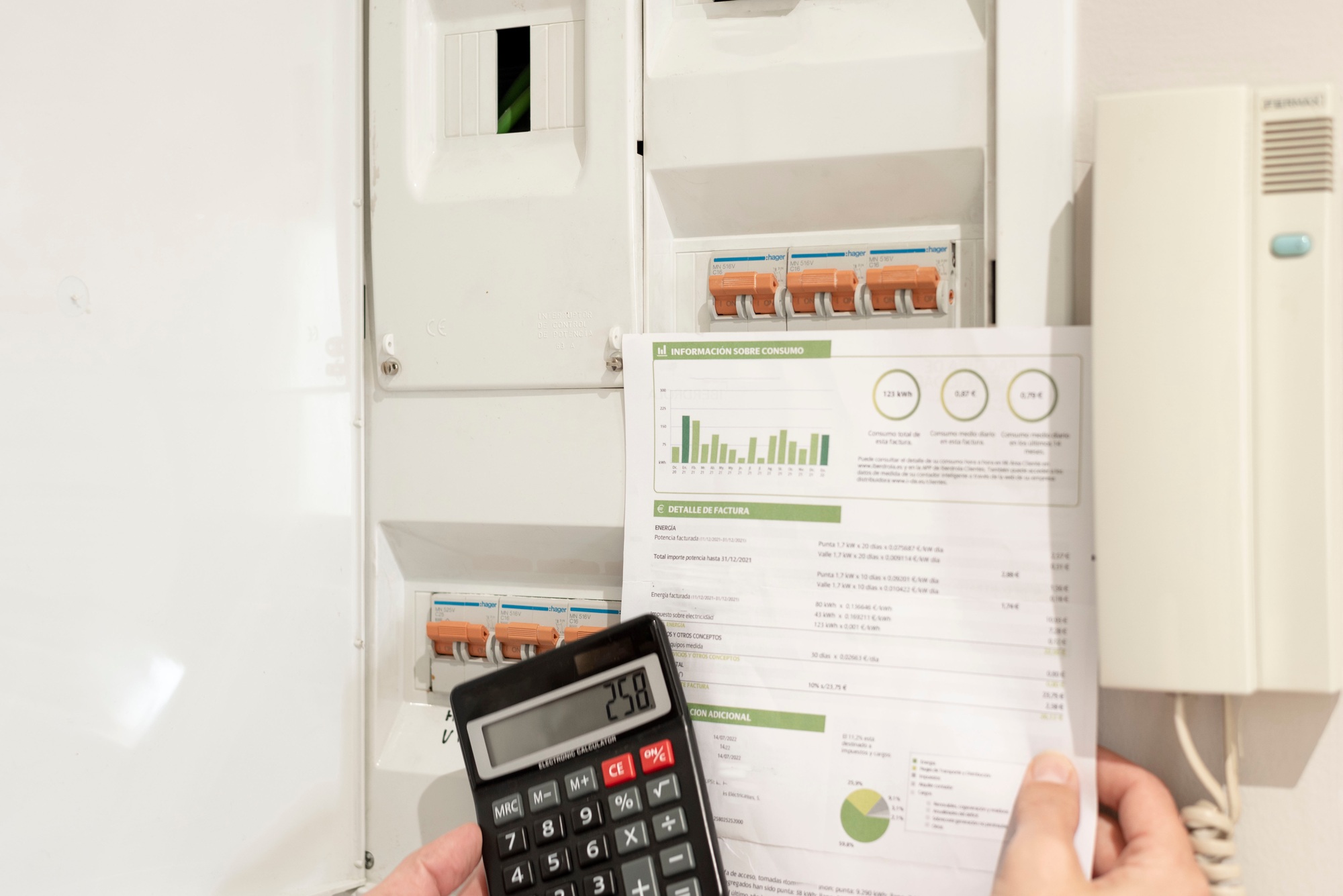
Improving air conditioner (AC) efficiency is not only a great way to save money but also an environmentally friendly approach to enhance your home’s comfort. Whether you want to retrofit an old system or optimize your HVAC performance, there are several practical strategies you can adopt. These tips will help you lower energy costs and increase the longevity of your air conditioning system.
1. Increase Air Conditioner Efficiency with Retrofitting
If you have an older air conditioning unit, retrofitting can be an excellent way to improve efficiency without investing in an entirely new system. Retrofitting involves adding new technologies or features to your existing AC, such as advanced thermostats or energy-efficient parts.
Retrofitting is a great option if you don’t want to invest in a new system right now or if you’re looking to maximize the HVAC energy efficiency in the interim. According to the Department of Energy, retrofitting your air conditioning system can reduce your energy costs by up to 35%.
2. Reduce Heat Gain to Enhance AC Efficiency
One of the most effective ways to improve your AC’s performance is by reducing heat gain. This is especially crucial if your home is exposed to direct sunlight.
Here are some quick tips to help reduce heat gain:
- Use reflective window films or install shades to block the sun’s rays.
- Install insulated doors and windows to prevent heat from entering your home.
3. Seal Air Leaks for Better Cooling
If your home has air leaks, your AC system will struggle to cool effectively. Air sealing, particularly in older homes, can significantly enhance efficiency. Focus on sealing:
- Ceiling gaps (since heat rises)
- Window and door frames
- Attic vents
4. Add Insulation in Your Attic
Insulation plays a key role in reducing heat transfer. If your attic is poorly insulated, it could lead to heat buildup, increasing your air conditioner’s workload. Ensure you have adequate insulation, especially in your attic, to reduce heat gain and lower your cooling costs.
5. Spread Out Existing Insulation
If the insulation in your attic is uneven or disturbed, it might not be performing effectively. Simply redistributing the insulation can improve its effectiveness and help reduce heat gain.
6. Block Direct Sunlight
Direct sunlight can increase your cooling load and put extra pressure on your air conditioner. To reduce heat gain, it’s best to shade your windows, particularly those with east or west exposure. Outdoor shading devices such as awnings or shutters can be highly effective in reducing heat absorption.
7. Perform Regular AC Maintenance
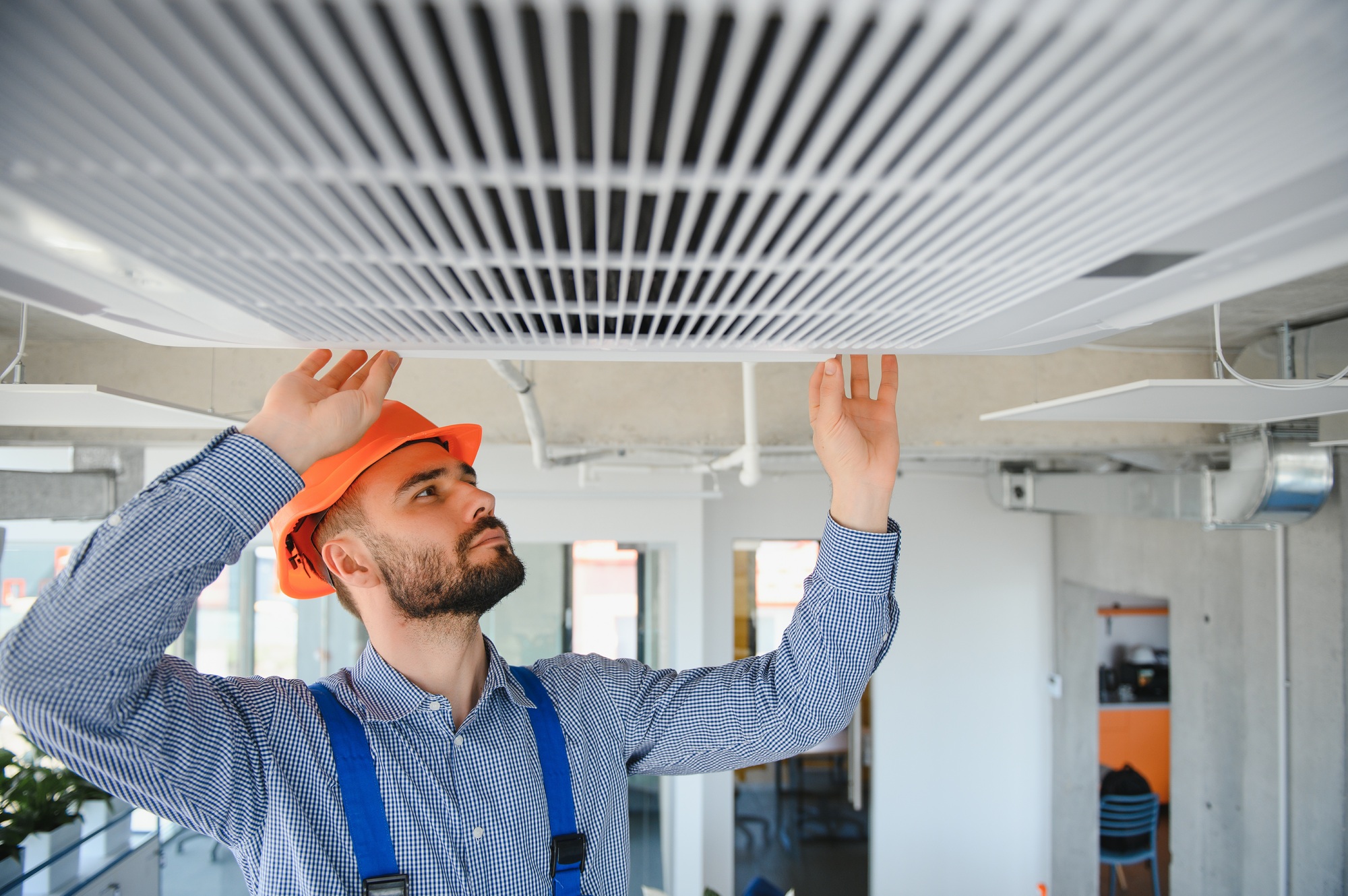
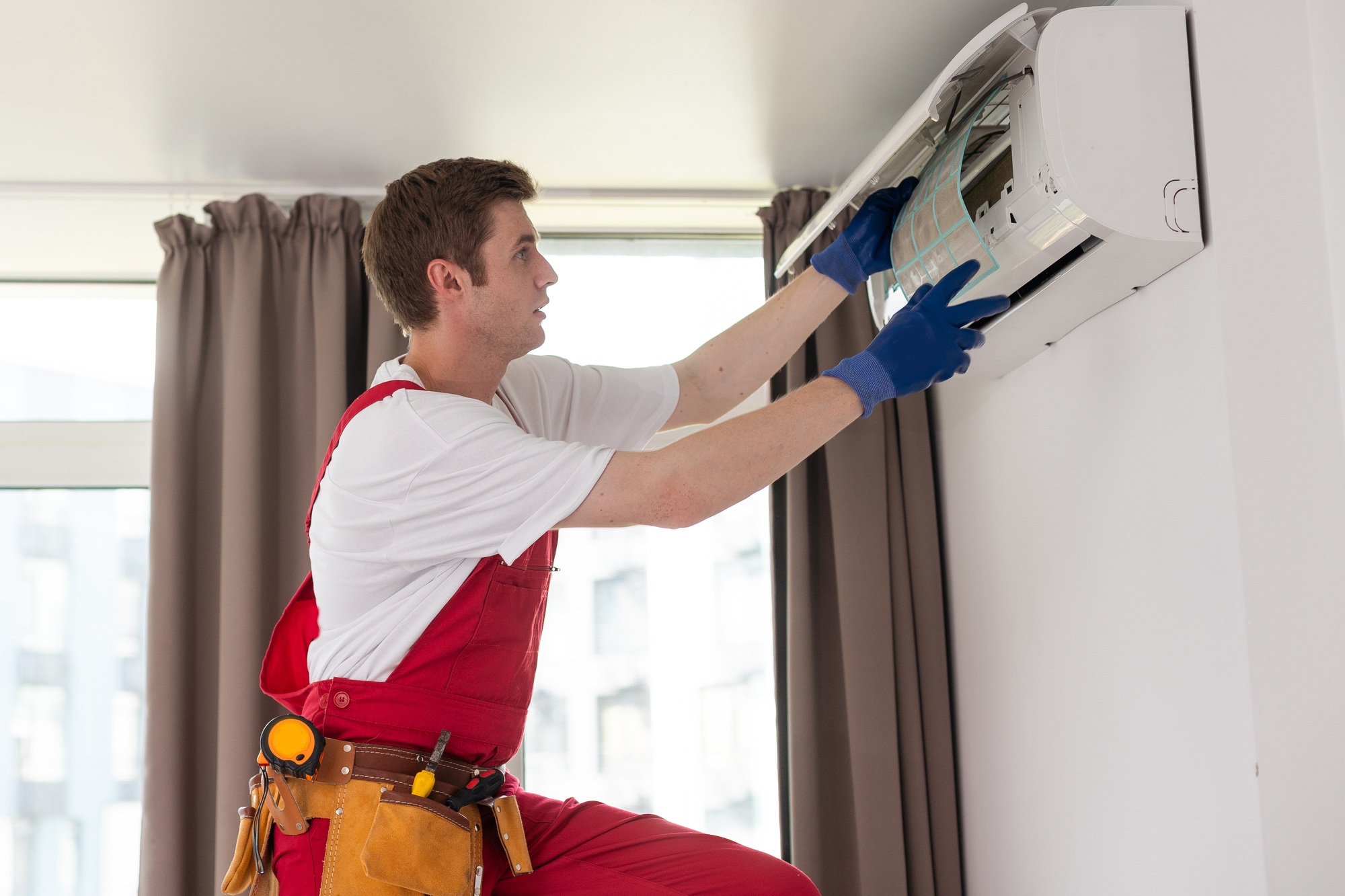
Regular air conditioner maintenance is essential for keeping your system running efficiently. Scheduling seasonal maintenance before the heating and cooling seasons will ensure optimal performance and prevent costly repairs. Clean filters, check refrigerant levels, and inspect coils to avoid unnecessary strain on your system.
8. Adjust Your Thermostat Settings
Small temperature adjustments can make a significant difference in your air conditioner’s energy consumption. By setting your thermostat a few degrees higher, you can reduce energy use without sacrificing comfort. For example, setting your thermostat to 78°F instead of 75°F could reduce energy consumption by up to 18%.
Programmable thermostats are a great tool for automating temperature adjustments when you’re away from home.
9. Change Air Filters Regularly
Clogged air filters restrict airflow and cause your air conditioner to work harder. To improve HVAC efficiency, change your air filters every 1-3 months. Clean filters also help prevent dust buildup on internal components, reducing wear and tear on your system.
10. Power Down Unused Electronics
Electronics generate heat and can increase the workload on your AC. Turn off devices like computers, televisions, and exercise equipment when not in use. Unplugging electronics that are not in use can reduce “phantom” energy consumption, which accounts for 5-10% of your home’s total energy use, according to the U.S. Department of Energy.
Conclusion: Improve Your Home AC Efficiency with These Simple Tips
By following these air conditioning efficiency tips, you can reduce energy consumption, enhance indoor comfort, and save money in the long run. Small changes, like retrofitting your system, sealing air leaks, and adjusting your thermostat, can lead to significant improvements in your HVAC performance. Start making these upgrades today to enjoy a more efficient and cost-effective cooling system.