Control Your Water Heater Bill: Save Energy and Money Today!
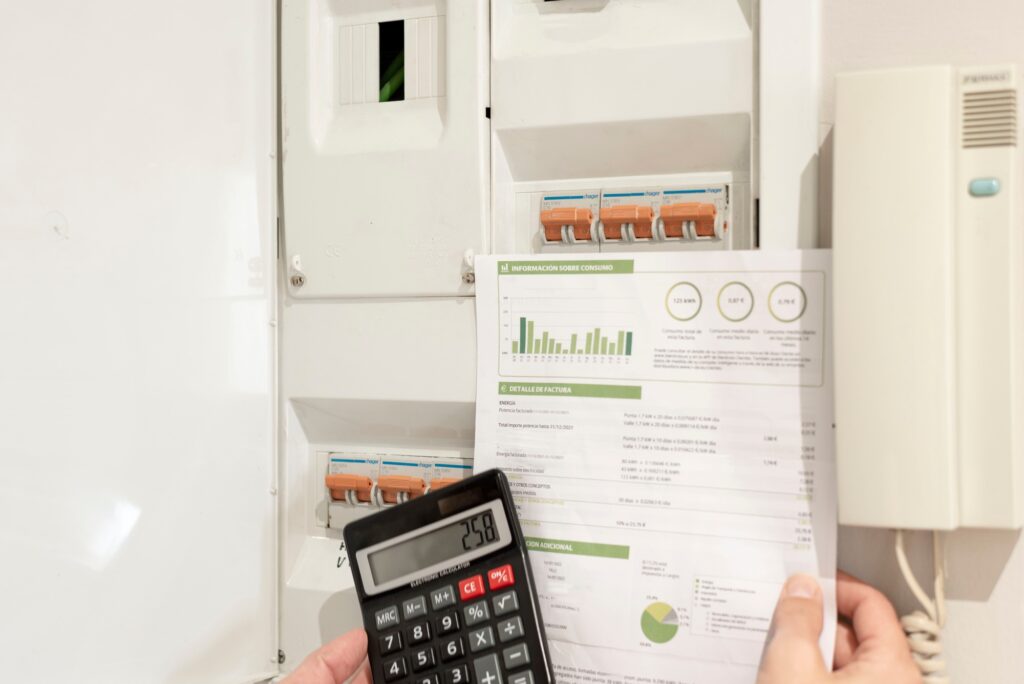
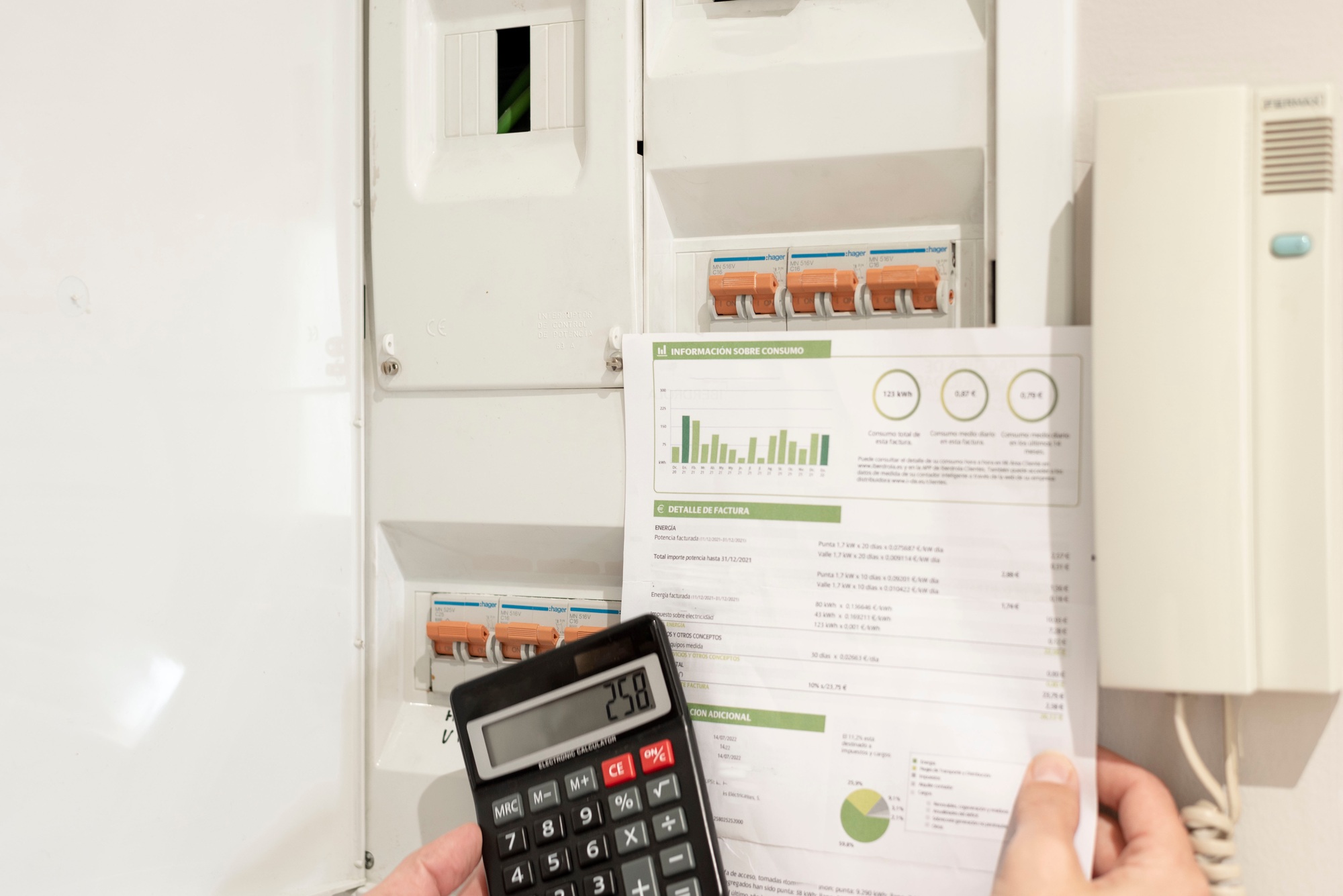
Is your water heater driving up your utility bills? The water heater is one of the most energy-hungry appliances in your home. If it’s inefficient or outdated, it can lead to increased costs for electricity, water, and gas. Discover the top reasons your water heater might be causing high bills and how to fix them.
How Does Your Water Heater Impact Utility Bills?
Your water heater plays a key role in your household’s energy and water usage. When it’s not performing efficiently, you’ll notice higher bills. Here’s why:
- Age of the Unit: Older water heaters (10–15 years or more) lose efficiency, consuming more energy to heat water.
- Sediment Build-Up: Hard water minerals create a layer of sediment in the tank, reducing heating efficiency and causing overheating.
- Improper Thermostat Settings: A thermostat set too high can waste energy. Lowering it to 120°F (49°C) can save energy.
- Leaks and Inefficiencies: Leaking valves, pipes, and seams waste both water and energy.
- Undersized Units: Small water heaters work overtime to meet demand, leading to higher energy consumption.
Signs Your Water Heater is Costing You More
- Sudden or Gradual Increase in Utility Bills: An aging or malfunctioning unit often consumes more energy.
- Slow Hot Water Supply: Long waits for hot water indicate inefficiency or capacity issues.
- Rusty or Discolored Water: This is a sign of corrosion in the tank, which can lead to leaks.
- Unusual Noises: Popping or rumbling sounds are often caused by sediment build-up.
How to Reduce Water Heater Costs
- Schedule Annual Maintenance: Flushing the tank removes sediment and ensures optimal performance.
- Upgrade to Energy-Efficient Models: Modern water heaters use less energy and are more reliable.
- Check for Leaks: Repair faulty valves and pipes promptly to avoid wasted water and energy.
- Optimize Thermostat Settings: Lowering the temperature can significantly reduce energy use.
- Insulate Your Tank: Prevent heat loss by adding insulation, especially for older models.
The Role of Gas Water Heaters in Utility Bills
Gas water heaters can account for 15% or more of your total gas bill. If your gas water heater is old, inefficient, or leaking gas, it could cost you more. Regularly service your gas water heater to remove sediment and ensure the gas connections are secure. Replacing an old unit with an ENERGY STAR-rated model can cut your gas usage significantly.
Why Replace an Old Water Heater?
Old water heaters not only increase bills but also pose safety risks, including leaks, bursts, and even explosions. Modern water heaters are safer, more energy-efficient, and can reduce costs over time.
Conclusion
A well-maintained water heater ensures lower energy bills, reduced water wastage, and a safer home. If your water heater is over 10 years old or causing higher utility bills, consider upgrading to an energy-efficient model. Schedule a professional inspection or replacement today to keep your home running efficiently while saving money.
Key Benefits of a New Water Heater
- Save on utility bills with energy-efficient performance.
- Reduce water wastage with faster heating and better insulation.
- Improve safety with modern features and reliable components.
Take control of your water heater costs today—schedule maintenance or upgrade to a new model now